There are several types of peptides, which are categorized based on the signal they send to skin cells:
- Signal peptides: stimulate the production of proteins essential for the skin, such as collagen, elastin, proteoglycans, glycosaminoglycans, and fibronectin. Examples include: Palmitoyl Tripeptide-5, Palmitoyl Tripeptide-38.
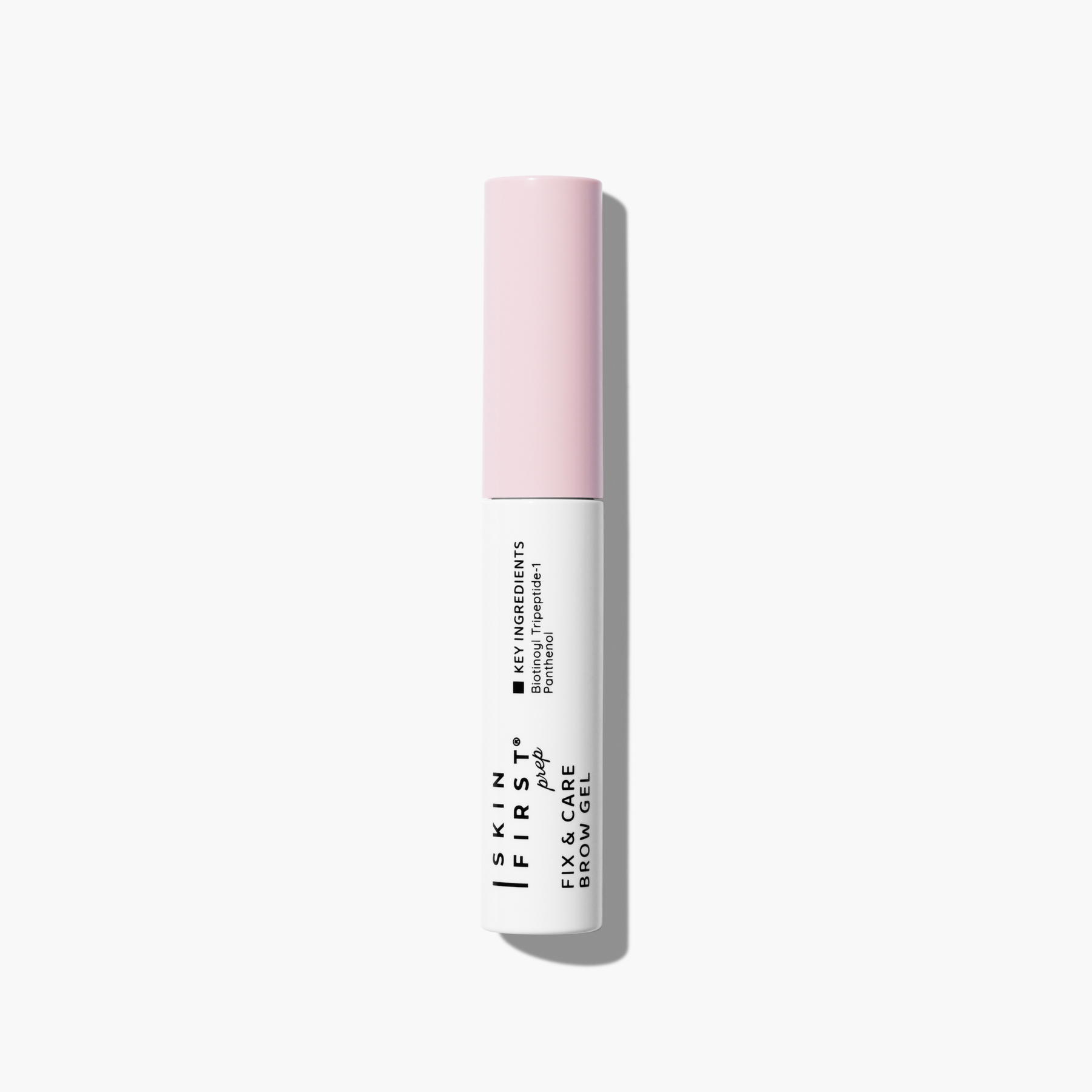
- Metal ion and nutrient carrier peptides: facilitate the transport of trace elements or key nutrients (such as copper or biotin) essential for repair and regenerative processes. Examples include: GHK-Cu, which carries copper to support cellular regeneration and improve skin firmness and radiance; and Biotinoyl Tripeptide-1, which delivers biotin directly to hair follicles, boosting the strength and density of hair and eyelashes. It is particularly popular in products designed to strengthen brittle eyelashes, eyebrows, and hair.
- Enzyme-inhibiting peptides: directly or indirectly block enzymes that break down essential skin proteins. Key examples include: Acetyl Tetrapeptide-5, and peptides/amino acids derived from rice, soy, or silk.
- Neurotransmitter-inhibiting peptides: inhibit the release of acetylcholine at the neuromuscular junction, producing a Botox-like effect. An example is Tripeptide-3, used as an intensive anti-wrinkle active ingredient.