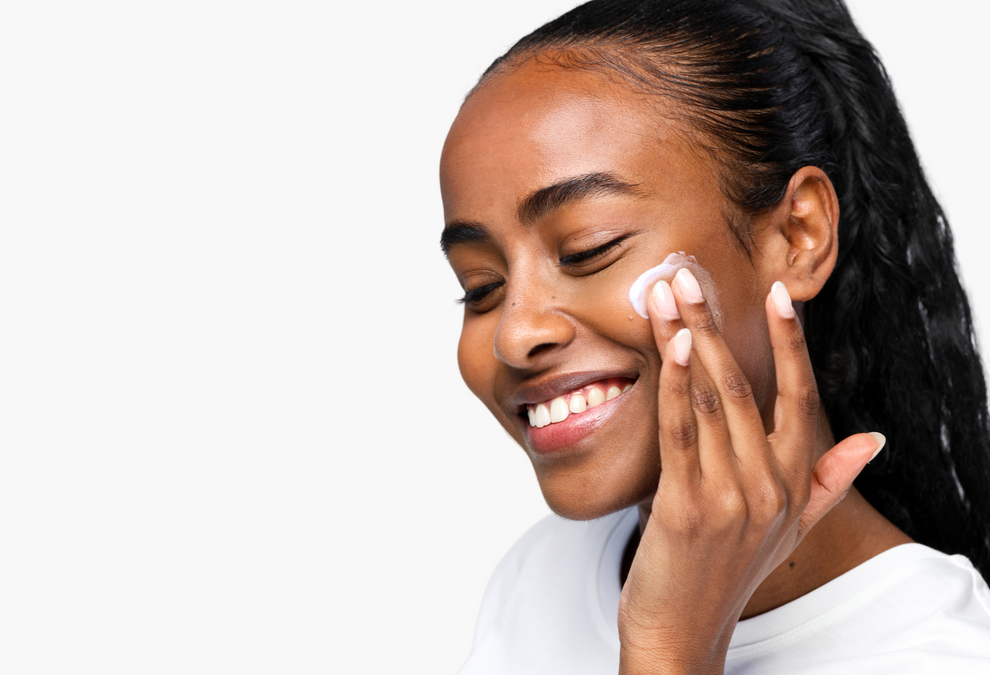
What is sensitive skin?
What is sensitive Skin?
Sensitive Skin is a type of Skin that tends to react more than usual. Heat, cold, wind, fabric friction, or an overly harsh cosmetic: all these triggers can lead to redness, stinging, or burning sensations.
This is a very common condition that can change over time: there are periods when your Skin is calmer, and others when it becomes more reactive.
The most common signs
- Redness → it can easily appear with temperature fluctuations or unsuitable cosmetics.
- Tingling or burning often the most obvious symptoms.
- Tight Skin → typical after cleansing or in dry environments.
- Itching → occasionally present, particularly during periods of peak responsiveness.
When to suspect it
One isolated incident isn't enough.
We describe Skin as sensitive when the following signs:
- they repeat over time,
- they appear in response to various triggers (climate, cosmetics, stress),
- they end up shaping the small choices you make every day (from the cleanser you use to the fabrics you wear that come into contact with your face, like a scarf)
Why does this happen
Skin sensitivity can have many overlapping causes:
- more fragile skin barrier → it retains less moisture and becomes less effective at protecting against external stressors.
- More responsive nerve endings → some stimuli are perceived as tingling or burning.
- Individual factors → such as genetic predisposition.
- Environment → cold, heat, wind, UV rays, pollution.
- Lifestyle → stress, smoking, alcohol, or an unbalanced diet can worsen redness.
- Cosmetics and skincare routines → excessively degreasing detergent, overly harsh surfactants, or active ingredients that were not introduced gradually.
How to manage it every day
The golden rule is to avoid overcomplicating things: sensitive Skin needs consistency, not endless layers of products. The goal is strengthen the skin barrier, maintain consistent hydration, and limit irritant triggers.
-
Gentle Detergent
Cleansing is the first step to balanced skin. Opt for formulas free from harsh surfactants, added fragrances, or overly rich lathers.
The Gentle Face Cleanser Fragrance-free is ideal for this use case: it cleanses with oat, chamomile, and calendula extracts, protecting the hydrolipidic film and reducing the sensation of tight Skin.
If you want to keep your Skin more even and smooth, you can add this to your routine one or two times a week, theExfoliant for Sensitive Skin, formulated with low-dose acids and controlled pH: it removes dead surface cells without compromising the barrier. -
Repair the skin barrier
After cleansing, apply a serum or booster with soothing active ingredients. The Soothing Booster is a solid daily option: it contains beta-glucan, panthenol, and niacinamide, which soothe and strengthen your Skin, reducing redness and stinging.
Right after, the Cica Barrier® Face Cream helps lock in moisture and complete the repair process, thanks to the combination of ceramides, madecassoside, and beta-glucan. These two products work together to keep the barrier stable and perfectly optimally responsive.
-
Continuous hydration
Sensitive skin needs consistent, regular care: moisturizing morning and night is essential, especially in winter and summer, when weather conditions tend to dry out the skin’s surface. -
Simple skincare routine:
Stick to a small set of reliable products, chosen for their function and tolerability. Avoid introducing too many active ingredients at once: your Skin needs time to adapt. -
Sun protection
Every morning, even when you’re in the city or during winter, use a sunscreen formulated for sensitive skin, preferably with mineral filters. This is a key step to reduce skin reactions and protect your skin barrier from UV damage. -
Practical tips:
Pat your face dry with soft towels (never rub), limit exposure to sudden temperature swings, and note how your Skin reacts to spicy foods, alcohol, or wine: some of these can worsen redness.
In conclusion
Sensitive Skin is a type of Skin that tends to overreact to a wide range of triggers, even when you least expect it. The best way to manage it is to learn to recognize its warning signs, respect its unique nature, and stick to a simple, consistent routine.


Updates
-
Skin Types 7 minutes
What kind of Skin do you have? How to recognize it and what to do for each type
Read more -
Skin Concerns 9 minutes
Blackheads on your face? Don't pop them. Here's the skincare that really makes a difference.
Read more -
Skincare 101 10 minutes
The correct order of a skincare routine
Read more
Editorial categories