Pimples on the back : Causes, care, best creams and skincare
Sweat, pregnancy, or infections: all the causes
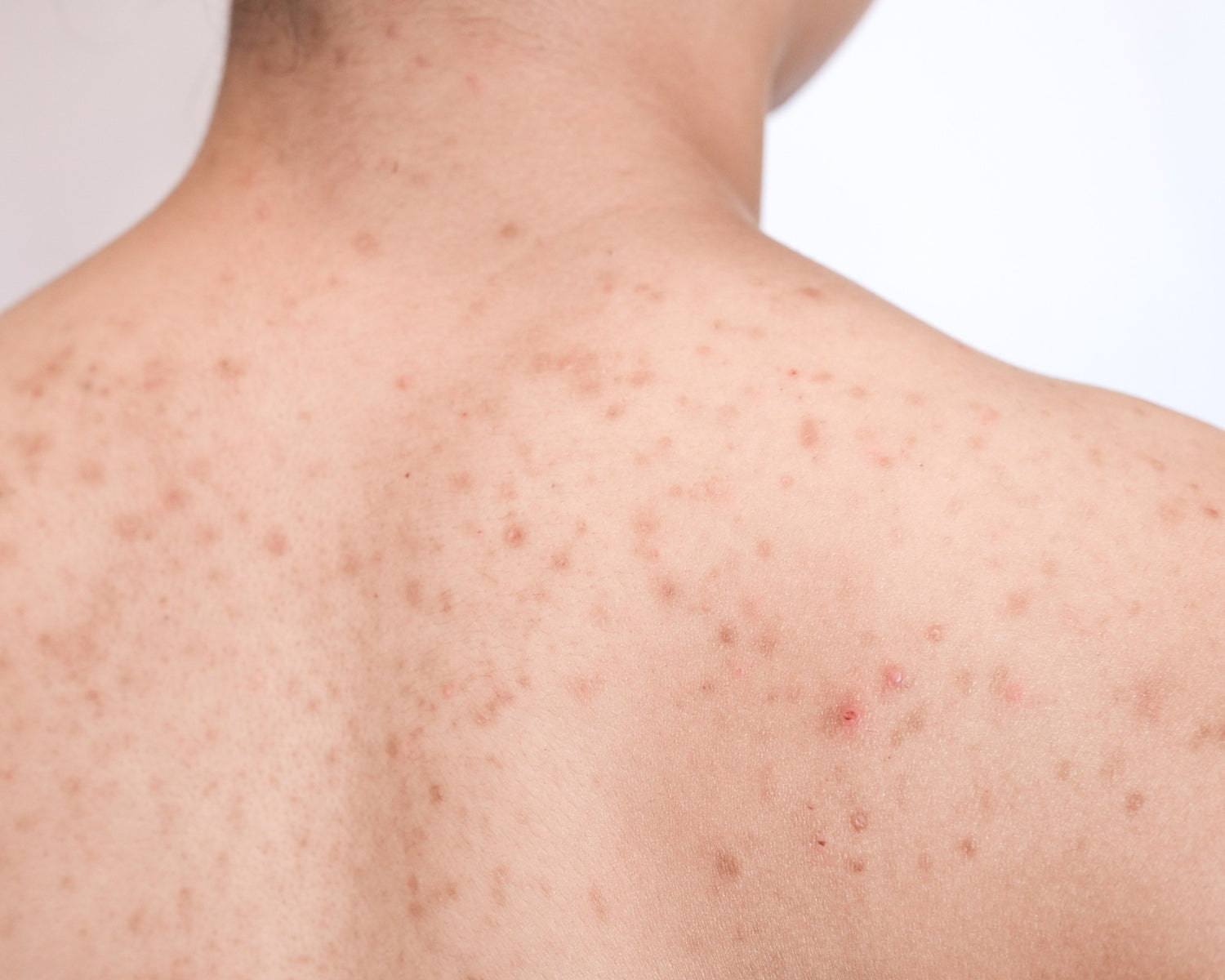
Some factors that can contribute to the development of back acne. Here they are:
- Friction and trapped sweat: t-shirts, backpacks, sports equipment and other garments that rub against sweaty Skin.
- Hormones: Pregnant women are more likely to develop back acne.
- Genetics and sex: Males are more likely to have it, particularly if they have a genetic predisposition
- Bacterial infections: such as those from Staphylococcus aureus (e.g., folliculitis);
- Sun exposure (you already know what advice we’ll give you in this case).
- Diet: sugars, alcohol, and high-fat foods
- Hygiene: an aspect not to overlook, which applies not just to the body but also to the hair, especially if it’s long and rests on your shoulders and back.
How to get rid of back acne: remedies and treatments
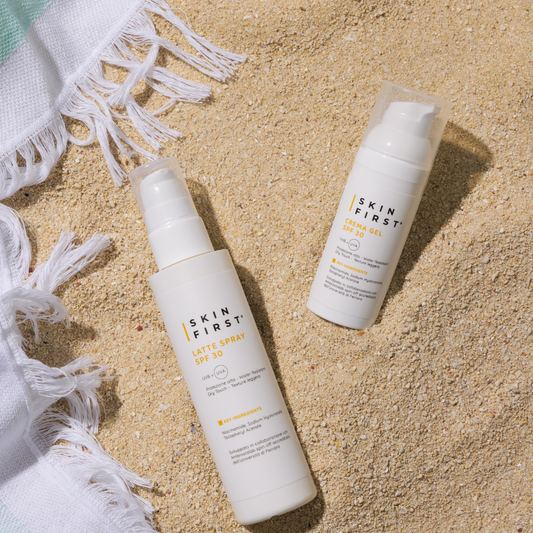
- Always apply sunscreen, preferably specific products with a lightweight texture.
- Don’t pick at your back acne! This creates opportunities for infection, open wounds, scabs, and scars. Not to mention that it significantly prolongs healing time.
- Keep your Skin clean, especially after playing sports or sweating.
- Use specific body washes and creams that contain purifying active ingredients capable of regulating sebum production and preventing the formation of impurities.
Products to use for a deep back cleanse
From a cosmetic standpoint, what you can do to treat back acne is exfoliate using exfoliants, both physical (such as scrubs) and chemical (salicylic acid first and foremost).
They might also be helpful body washes that contain exfoliants. Then use moisturizers very lightweight ones containing active ingredients with purifying, that protect your Skin from friction, without adding any extra burden.
We at Skin First have specialized products, such as the back acne cream or the body wash, which you can conveniently purchase also in kit for a full-body deep cleanse.
How to prevent back acne and what to absolutely avoid
What you can do to prevent the formation of back acne and impurities:
- Wash sheets, towels, pillowcases, and clothing regularly, especially tight-fitting items like bras or workout clothes;
- Avoid wearing items that rub against your back, such as backpacks;
- Wear loose clothing made from natural fibers like cotton;
- Shower and change clothes immediately after exercising or sweating;
- Make sure to properly clean your hair, an often overlooked responsibility, especially if you have long hair and have acne on your shoulders and back.
When to see a dermatologist
If it seems like your condition isn’t improving or is getting out of your control, don’t wait and seek medical advice.
Back acne, like facial acne, can indeed be treated both topically and systemically (with oral medications): a combined treatment that targets more than one of the mechanisms of acne pathogenesis and often yields positive results.
Body Acne Products
-

 New PackagingDescriptionCreamy-texture body cleanser, purifying and sebum-regulating, ideal for combination, oi...
Products properties Function Dettaglio Function Cleanser, Soothing Key Ingredients Undecylenoyl Oat Amino Acid, Salicylic Acid, Polylysine, Alteromonas Ferment Extract, Glycolic Acid, and Mandelic and Lactic Acid Step Routine 1Cleansing New Packaging -
DescriptionBody cream that hydrates and smooths, fighting acne, impurities and uneven skin texture.
Products properties Function Dettaglio Function Polishing agent, Cleanser, Moisturizer Key Ingredients Salicylic Acid, Mandelic Acid, Niacinamide, and Polylysine Step Routine 3Hydration