Acne : Causes, care, best creams and skincare
Causes
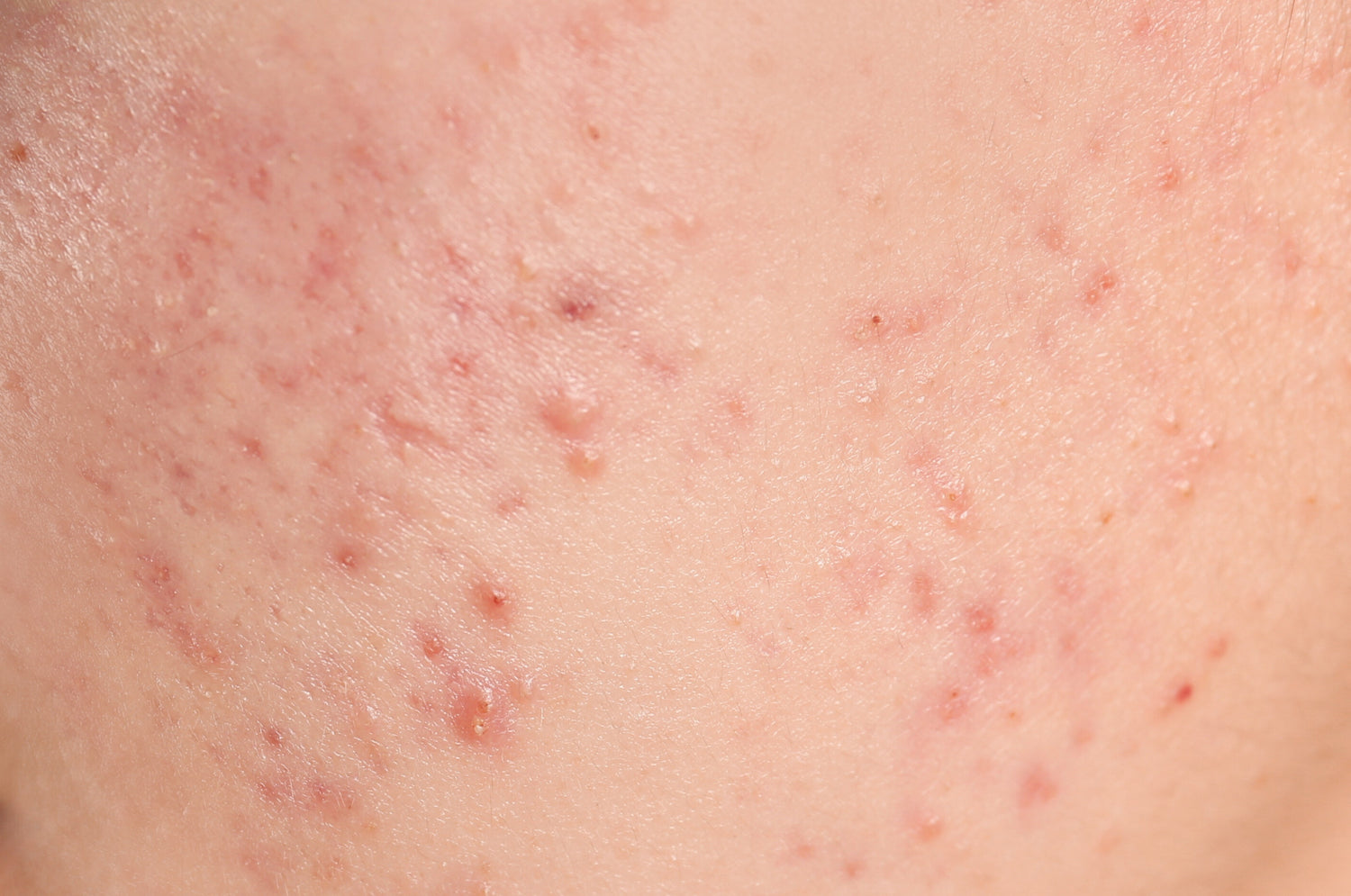
The four main pathological factors involved in the development of acne are: increased sebum production, irregular follicular exfoliation, proliferation of Propionibacterium acnes, and inflammation of the affected area.
Other factors that trigger acne include genetics, male sex, age, stress, and smoking, as well as medications such as androgens, corticosteroids, and even cosmetics (ahinoi).
Ingredients to Use
What can help you treat and prevent acne:
- Salicylic Acid: an exfoliant that helps remove impurities that clog pores, preventing and fighting the formation of comedones (a fundamental step);
- Niacinamide: works to regulate sebum production and reduce inflammation;
- Retinoids: target comedones, reduce sebum production, and normalize epithelial exfoliation;
- Clay: has sebum-regulating, balancing, and scar-healing properties;
- Antimicrobials such as benzoyl peroxide and azelaic acid.
Useful Tips
If you suffer from acne, you know firsthand that keeping your face clean is essential, both to remove excess sebum and to prevent bacterial overgrowth. Don't overdo it, though!
Remember that one of the main side effects of topical acne products is skin irritation: use a lightweight facial moisturizer containing ingredients with hydrating and soothing properties.
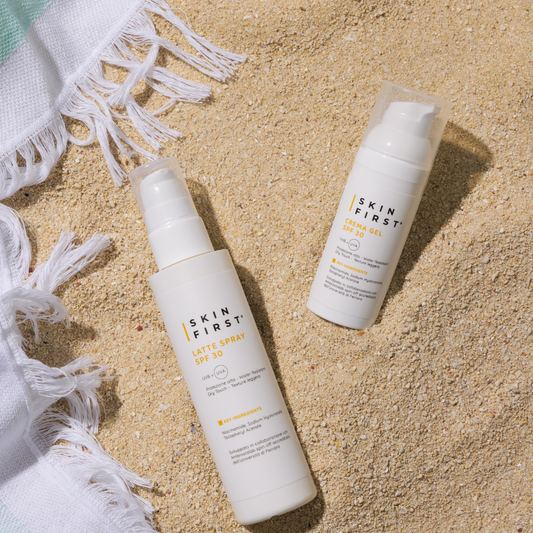
Stick with sun protection using lightweight products: it will protect you from the characteristic acne marks.
And if the moisturizer + SPF routine is too much for your skin, don't worry: you can use just SPF alone.
Instead, if your skin experiences the annoying skin-purging (skin purging with increased impurity presence) don't panic: this is completely normal and part of the healing process, so don't give up!
So, What Should You Do If You Have Acne?
Remember that the main goal of acne treatment is to control and treat existing lesions, prevent permanent scarring as much as possible, and limit the duration of the condition. Additionally, be aware that it may take 3-6 weeks, or longer, before you see improvement.
If it seems like your situation isn't improving or is getting out of your control, don't wait and talk to a doctor.
Acne can indeed be treated both topically and systemically (with oral medications): a combined treatment that targets more than one of the mechanisms of acne pathogenesis often works well.
-
DescriptionGentle cleansing foam with targeted purifying and sebum-regulating action for oily, com...
Products properties Function Dettaglio Function Cleanser, Sebum Regulator, Mattifier Key Ingredients Salicylic Acid, Polylysine, and Alteromonas Ferment Extract Step Routine 1Cleansing -

 Best SellerDescriptionConcentrated facial serum with sebum-regulating, impurity-fighting and soothing action....
Products properties Function Dettaglio Function Cleanser, Schiarente, Sebum Regulator Key Ingredients Niacinamide and Azeloglycine Step Routine 3Booster Best Seller -
DescriptionA serum to prevent and counteract the signs of aging, acne marks and skin spots on the ...
Products properties Function Dettaglio Function Anti-aging, Cleanser, Antioxidant Key Ingredients Retinol Step Routine 3Booster -

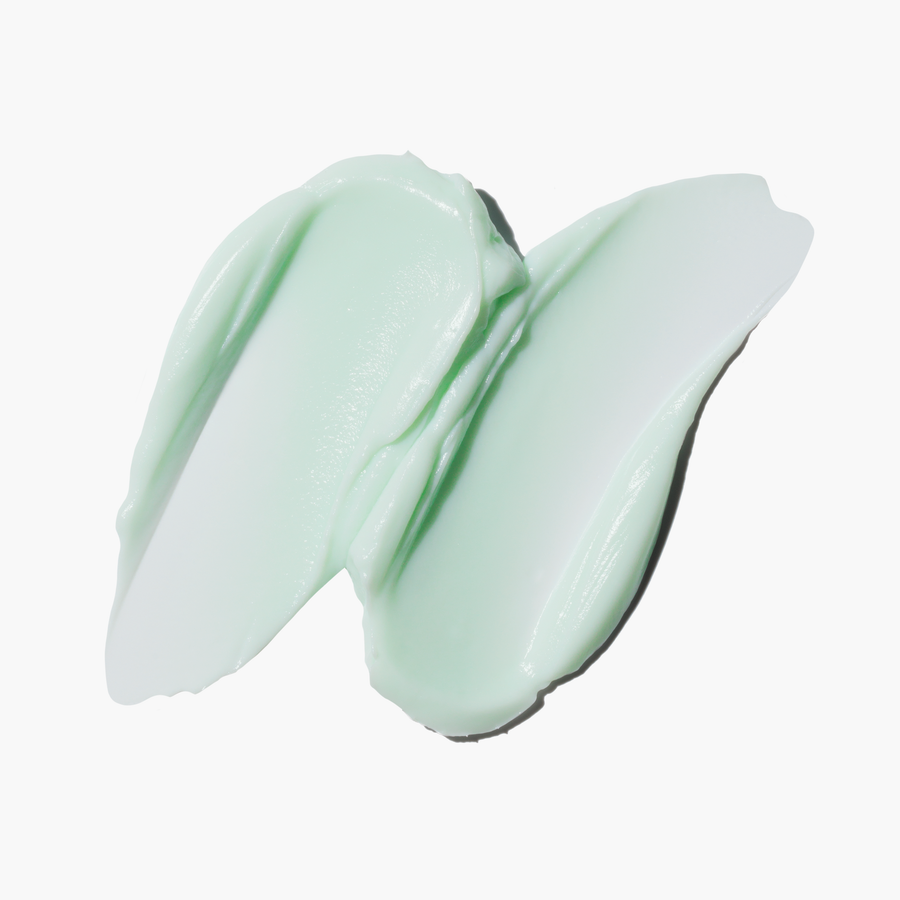 Best SellerDescriptionFor oily or acne-prone skin, it regulates sebum secretion, refines enlarged pores, and ...
Products properties Function Dettaglio Function Cleanser, Sebum Regulator, Moisturizer Key Ingredients Revitalin, Burdock Extracts, and Cucumber and Fomes Officinalis Step Routine 5Moisturizer Best Seller -
DescriptionThis exfoliating toner improves the condition of active breakouts by normalizing sebum ...
Products properties Function Dettaglio Function Cleanser, Schiarente, Sebum Regulator Key Ingredients Salicylic Acid, Mandelic Acid, Tranexamic Acid, and Polylysine Step Routine 2Exfoliation -

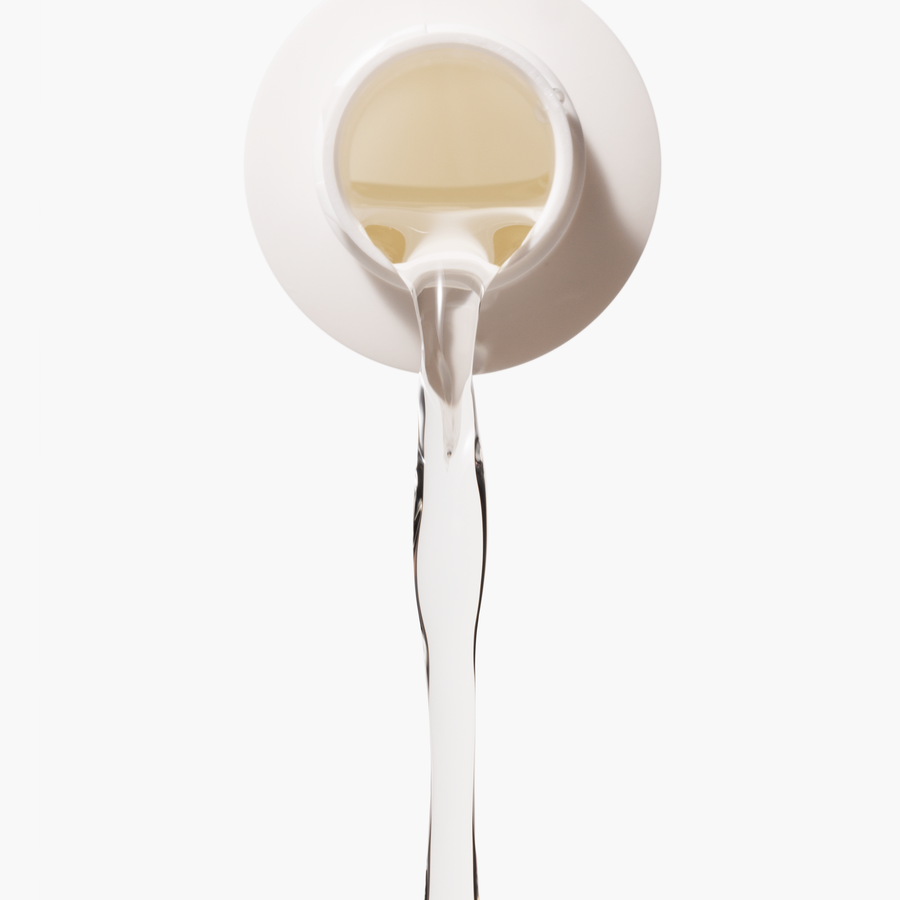 Best SellerDescriptionExfoliating facial toner, formulated with 2% salicylic acid at pH=4. Brightens and smoo...
Products properties Function Dettaglio Function Polishing agent, Schiarente, Cleanser Key Ingredients Salicylic Acid Step Routine 2Exfoliation Best Seller -
DescriptionExfoliating chemical peel, a facial exfoliating concentrate: it stimulates collagen pro...
Products properties Function Dettaglio Function Polishing agent, Schiarente, Highlighter Key Ingredients Salicylic Acid (BHA), Glycolic Acid, Lactic Acid, and Mandelic and Malic Acid (AHA) Step Routine +Treatment -
DescriptionThe topical application reduces pimple inflammation and improves the Skin.
Products properties Function Dettaglio Function Cleanser Key Ingredients Salicylic Acid, Glycolic Acid, and Pyruvic Acid Step Routine +Treatment -
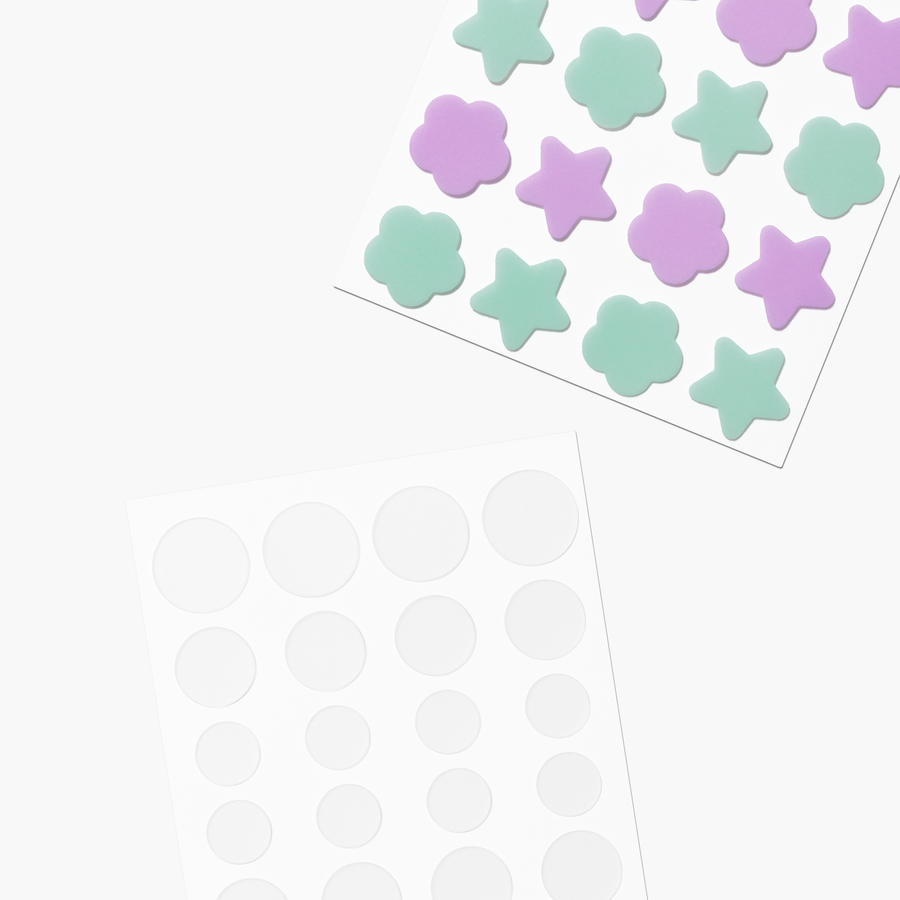
DescriptionPatches to speed up the disappearance of pimples, without leaving marks. Apply topically.
Products properties Function Dettaglio Function Cleanser Step Routine +Treatment -
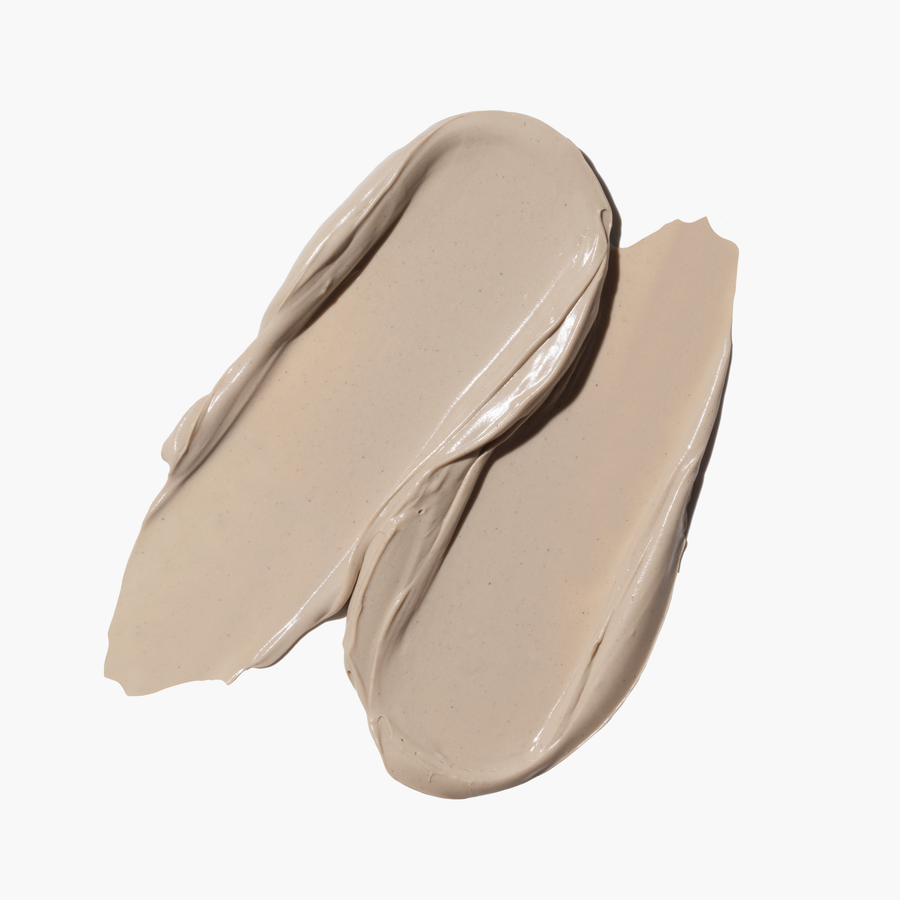
DescriptionFace mask formulated to absorb excess sebum, prevent and combat blackheads and pimples,...
Products properties Function Dettaglio Function Cleanser, Sebum Regulator Key Ingredients White and Green Clay, Burdock Extracts, Cucumber, Sage, and Lavender Step Routine +Treatment -
DescriptionBody cream that hydrates and smooths, fighting acne, impurities and uneven skin texture.
Products properties Function Dettaglio Function Polishing agent, Cleanser, Moisturizer Key Ingredients Salicylic Acid, Mandelic Acid, Niacinamide, and Polylysine Step Routine 3Hydration -

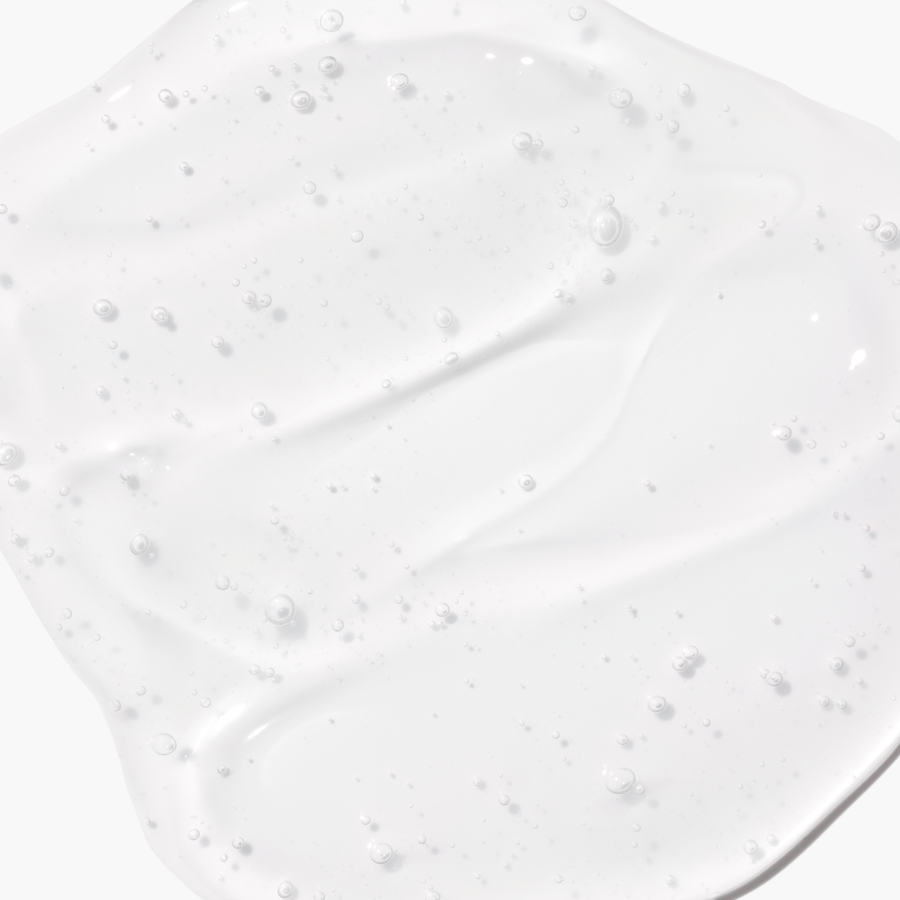 New PackagingDescriptionCreamy-texture body cleanser, purifying and sebum-regulating, ideal for combination, oi...
Products properties Function Dettaglio Function Cleanser, Soothing Key Ingredients Undecylenoyl Oat Amino Acid, Salicylic Acid, Polylysine, Alteromonas Ferment Extract, Glycolic Acid, and Mandelic and Lactic Acid Step Routine 1Cleansing New Packaging