Description of the Dry skin
Tips and remedies for Dry skin
If you have dry skin or dehydrated skin, the most important thing is not to disrupt the skin barrier:
- Don’t use overly harsh cleansers
- Don’t over-exfoliate
- Avoid overly hot showers and baths
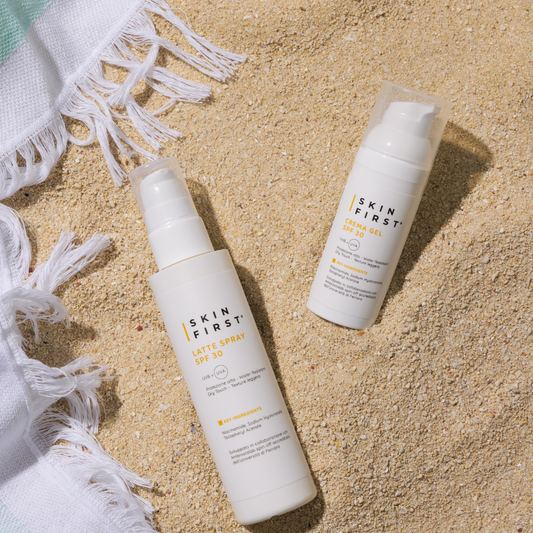
- Use SPF: the sun damages the outer layer of the skin, causes it to thicken and delays cellular renewal, which contributes to dryness.
Finally, don’t think you can fix your problem by drinking more water: there are currently no scientific studies proving that drinking water directly impacts skin hydration.
So, what shouldn’t be missing from your skincare routine?
Whether your skin is dry or dehydrated, you need to restore the hydrolipidic film by boosting hydration—first by increasing the aqueous component (moisturizing ingredients) and replenishing the lipophilic component (emollient ingredients). Among the moisturizing ingredients you’ll find glycerin and sorbitol, hyaluronic acid, mucilages and pectins, such as mallow, aloe vera and rose extracts, betaine, collagen, the components of the NMF (Natural Moisturizing Factor), like urea and amino acids, and allantoin.
Meanwhile, the emollient ingredients include ceramides, polyunsaturated fatty acids like omega-3 and 6, squalane, plant oils and butters such as olive oil, avocado oil, hemp oil, shea butter and cocoa butter, and finally beeswax. Vitamins are also beneficial, especially vitamin E and vitamin B5 (panthenol).
The most common needs of Dry skin
Dry skin usually stems from reduced sebum production or a lack of moisture. Obviously, common treatments to improve this skin condition include applying moisturizing or emollient products, such as creams or lotions. However, you should avoid harsh products and stay hydrated by drinking water.
- Dry skin: Do you feel tightness in your skin? Does your skin look dull, lifeless or cracked? Do you sometimes experience itching? If you have any of these symptoms, your skin—or parts of it—is suffering from dryness.
- Crow's feet: The sensitivity and dryness that characterize the Eye Contour Gel area (caused by the absence of sebaceous glands) can lead to fine lines and, with aging, also true forms of roughness known as "crow's feet".
- Skin aging: Skin aging is a process linked to numerous biological, biochemical and physical interactions that cause damage and disruptions to skin function.