Skin aging : Causes, care, best creams and skincare
What are the signs of skin aging?
The signs of skin aging are numerous and vary depending on the combination of intrinsic and extrinsic factors. Here is a detailed list of the main signs:
- Wrinkles and fine lines: formation of folds and creases on the skin's surface, initially around the eyes, mouth, and forehead.
- Loss of elasticity: the skin loses its firmness and appears saggy, especially in areas such as the cheeks and neck.
- Thin and fragile skin: due to the reduction of collagen and elastin, the skin becomes thinner, more fragile, and more delicate.
- Dark spots: appearance of ihyperpigmentation such as sunspots, melasma, and age spots, especially in sun-exposed areas.
- Dry skin: reduced production of the skin's natural oils, leading to drier, rougher skin.
- Uneven texture: rough, thickened skin surface and an overall loss of radiance.
- Dark circles and puffiness: darkening and swelling under the eyes due to reduced blood flow and fluid buildup.
Causes of skin aging: intrinsic and extrinsic
There are two types of skin aging:
- Intrinsic (or chronological): this physiological process is multifactorial. Cell turnover is reduced, the dermis atrophies, resulting in disorganization and a reduction of collagen fibers. The subcutaneous fatty tissue also atrophies, as do muscle masses. The skin, therefore, thins and its fat-muscle support weakens, encouraging the appearance of visible signs such as wrinkles.
- Extrinsic (or photo-induced): photoaging caused by sun exposure, which adds to the changes caused by biological aging.
It is caused by the sun's ultraviolet (UV) rays, which penetrate the skin and cause direct damage to cell DNA, structural proteins such as collagen and elastin, and the skin's immune system.
Sun aging not only accentuates biological aging, but also introduces new signs of aging, worsening the skin's overall appearance in ways that biological aging alone would not. This makes sun protection and adopting proper skin-defense habits essential.
When does facial skin aging begin
Skin aging begins as early as the second or third decade of life, even though the first visible signs may appear later.
There are various stages of this process, each characterized by specific structural and functional changes.
During young adulthood, you may notice the first signs of loss of radiance and hydration, signs that indicate reduced production of collagen and elastin.
As you enter your thirties, fine lines become more visible (think under-eye wrinkles and around the mouth) due to decreased collagen distribution and slower cell turnover.
Between the ages of 40 and 50, the skin begins to show deeper wrinkles and greater laxity, partly due to the degradation of collagen and elastin fibers and partly to a decrease in the production of essential lipids for the skin barrier. In addition, skin spots may appear at this stage.
Treatments and remedies
For the treatment of skin aging, the dermocosmetic protocol should be based on 5 elements:
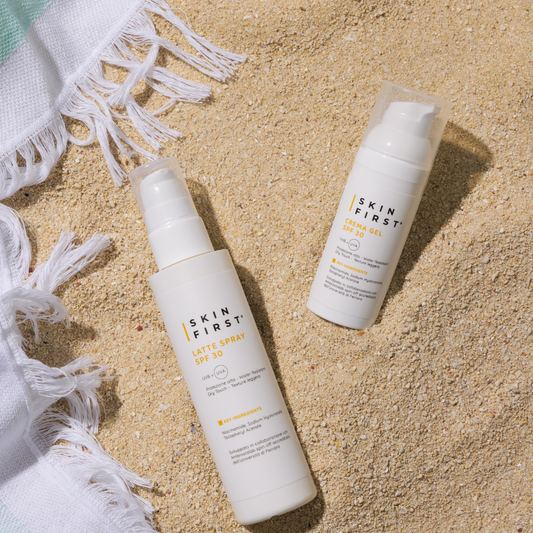
- SPF every day! Using sunscreen with SPF is the best anti-aging step you can add to your daily routine. It protects the skin from harmful UV rays, preventing photoaging and reducing the risk of dark spots and wrinkles.
- Hydration: keeping the skin well hydrated is essential for a youthful and healthy appearance. Ingredients such as Hyaluronic Acid, Ceramides, Betaine, Panthenol, Glycosaminoglycans, and Glycerin are excellent at retaining moisture and improving the skin barrier.
- Antioxidants: using antioxidants is essential to fight free radicals and prevent cellular damage. Ingredients such as Retinoids, Vitamin C, Vitamin E, Niacinamide, Ferulic Acid, and Coenzyme Q10 help protect the skin and stimulate collagen production, improving elasticity and reducing signs of aging.
- Peptides: to improve skin plumpness and appearance, peptides are very effective ingredients. Molecules such as Acetyl Hexapeptide-8, Palmitoyl Tripeptide-5, Palmitoyl Tripeptide-38, and Palmitoyl Tetrapeptide-7 work by stimulating collagen production and strengthening the skin structure, giving the skin a firmer, smoother look.
- Exfoliants: stimulating cell renewal is crucial to keep the skin looking healthier and more radiant. Exfoliants such as Alpha Hydroxy Acids (AHA) and Beta Hydroxy Acids (BHA) help remove dead cells from the skin's surface, promoting cell regeneration and improving skin texture and tone.
Helpful tips
By now you’ve understood that there is no single ingredient capable of counteracting all the signs of skin aging. All the active ingredients listed above are very good for the skin, but it is always best to be realistic and not have too many expectations. Even though it is very difficult, and not very satisfying in the short term, it is better to focus on prevention: your skin will thank you one day.
What to do for aging skin: prevention
To prevent, or rather delay, skin aging, the Antioxidants are essential in order to prevent the skin from being attacked by external agents and free radicals, which are responsible for premature aging.
Adopt a good skincare routine suitable for your skin; that is always the key!
Last but not least, sunscreen! UV rays are responsible for the early appearance of signs of skin aging because they cause collagen loss and dehydration.
-
 OFF €15,00DescriptionThis kit supports mature skin every day: it stimulates renewal, improves tone and textu...
Products properties Function Dettaglio Function Moisturizer, Polishing agent, Anti-aging Key Ingredients Peptides, Retinol, Hyaluronic Acid, and Ceramides OFF €15,00 -

 OFF €5,00DescriptionEye Contour Mask and Under-Eye Patches, to be used together to enhance the brightening,...
Products properties Function Dettaglio Function Schiarente, Polishing agent, Anti-Bags Key Ingredients Niacinamide, Eyeseryl®, and aescin Step Routine +Treatment OFF €5,00 -
DescriptionA serum to prevent and counteract the signs of aging, acne marks and skin spots on the ...
Products properties Function Dettaglio Function Anti-aging, Cleanser, Antioxidant Key Ingredients Retinol Step Routine 3Booster -
DescriptionConcentrated serum with 4 pro-collagen peptides that smooths wrinkles, plumps and hydra...
Products properties Function Dettaglio Function Polishing agent, Anti-aging Key Ingredients Peptides Complex Step Routine 3Booster -
DescriptionA true hydration boost for the face: a concentrated formula containing Hyaluronic Acid ...
Products properties Function Dettaglio Function Moisturizer, Anti-aging Key Ingredients Hyaluronic Acid and Ceramides Step Routine 3Booster -

 Best SellerDescriptionConcentrated serum with 3-O-Ethyl Ascorbic Acid: an antioxidant for the face capable of...
Products properties Function Dettaglio Function Antioxidant, Schiarente, Soothing Key Ingredients Vitamin C Step Routine 3Booster Best Seller -

 New PackagingDescriptionFace cream formulated to combat the signs of skin aging, with intensive hydrating actio...
Products properties Function Dettaglio Function Anti-aging, Moisturizer, Polishing agent Key Ingredients Matrixyl Sinthe ‘6®, Reproage®, Hyaluronic Acid, and Ceramides Step Routine 5Moisturizer New Packaging -
DescriptionRich anti-stress face cream that strengthens the skin barrier, intensely hydrates, and ...
Products properties Function Dettaglio Function Polishing agent, Anti-aging, Moisturizer Key Ingredients Hyaluronic Acid, Ashwagandha and Turmeric Adaptogen Complex, Reishi and Shiitake Mushroom Extracts, Bel-Even™, and Wastar™ Lavender Step Routine 5Moisturizer -

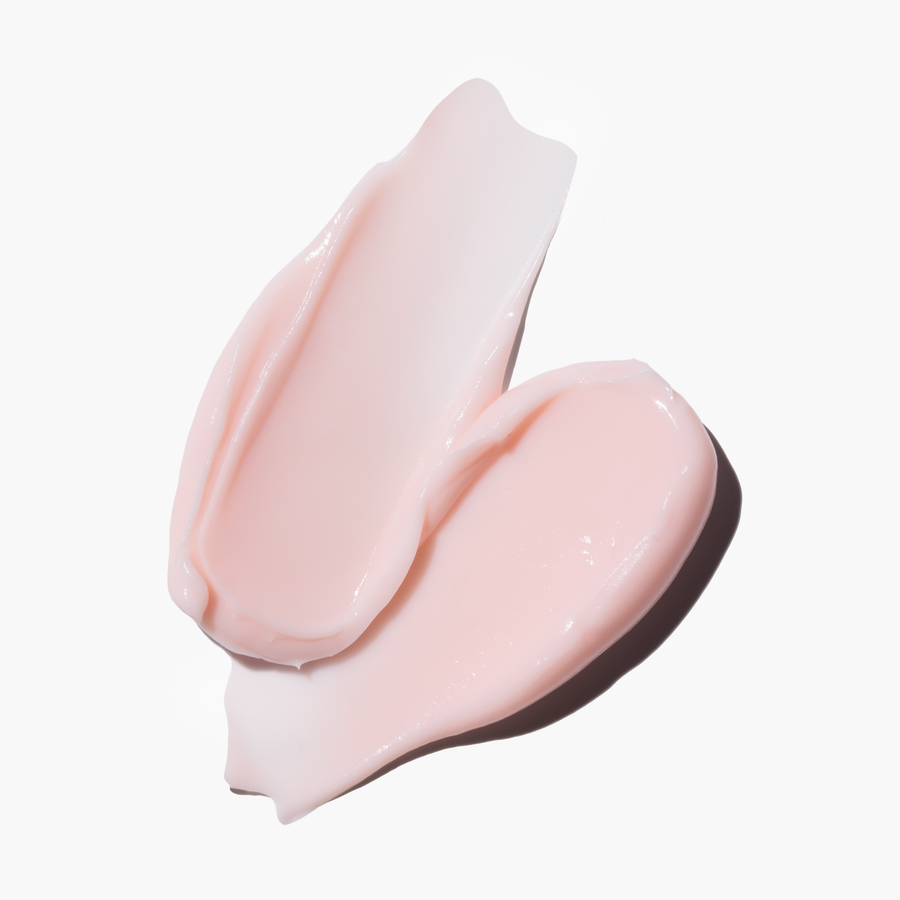 Best SellerDescriptionHydrating face cream with emollient action, formulated to prevent the appearance of agi...
Products properties Function Dettaglio Function Moisturizer, Polishing agent, Soothing Key Ingredients Glycosnail VEG and Syn-coll Step Routine 5Moisturizer Best Seller -
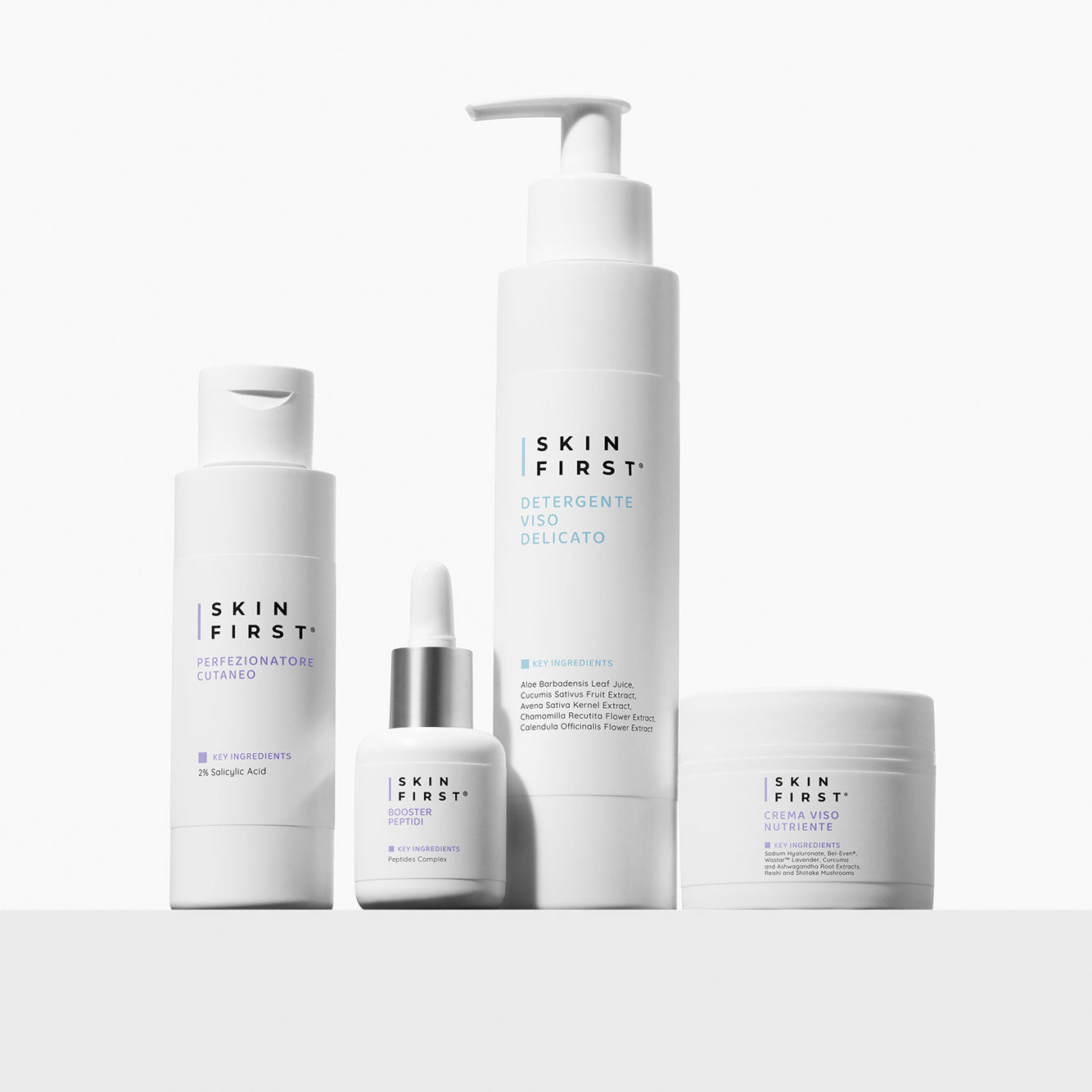 OFF €15,00DescriptionWhen the first wrinkles appear, the key word is prevention: this kit helps keep skin gl...
Products properties Function Dettaglio Function Moisturizer, Polishing agent, Anti-aging Key Ingredients Peptides Complex, Salicylic Acid, Ashwagandha and Turmeric Adaptogen Complex, and Hyaluronic Acid OFF €15,00 -

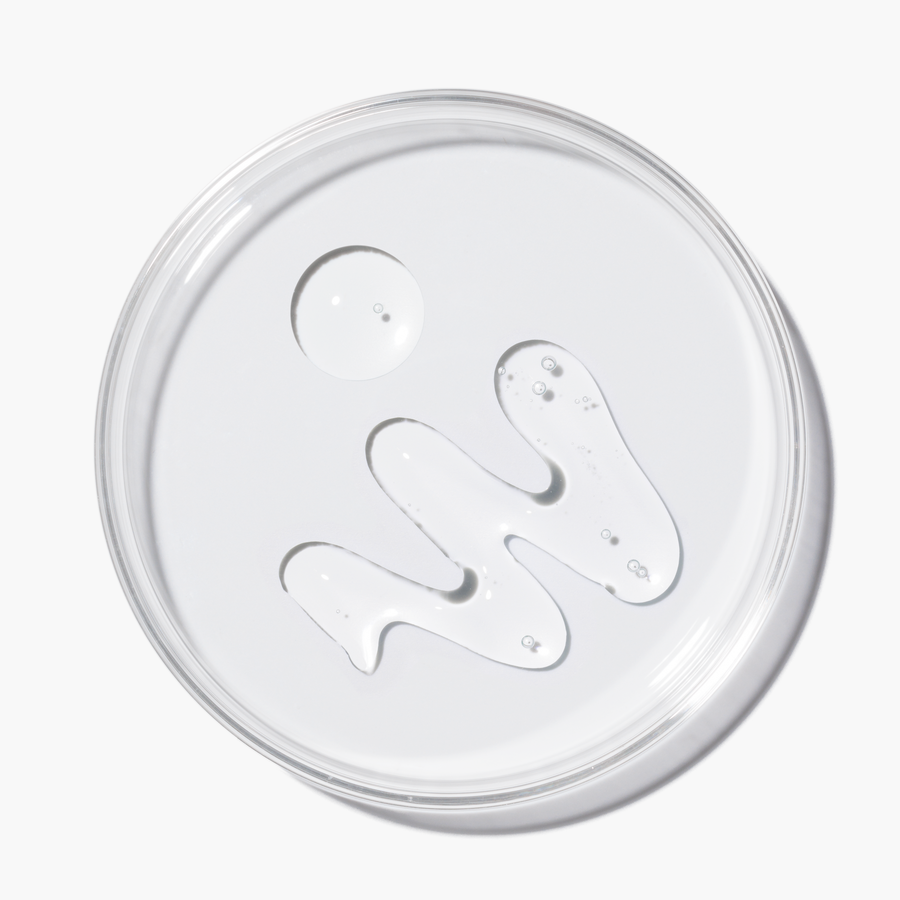 Best SellerDescriptionGentle and with moisturizing active ingredients: it cleanses the skin, leaving it fresh...
Products properties Function Dettaglio Function Moisturizer, Soothing Key Ingredients Panthenol, Oat extracts, Cucumber, Chamomile, and Calendula and Aloe Step Routine 1Cleansing Best Seller -
DescriptionUltra-gentle and fragrance-free: it cleans gently, respecting even the most sensitive s...
Products properties Function Dettaglio Function Moisturizer, Soothing Key Ingredients Panthenol, Oat extracts, Cucumber, Chamomile, and Calendula and Aloe Step Routine 1Cleansing