Description of the Sensitive skin
How to recognize it: visible and non-visible symptoms
The visible signs are generally absent, but occasionally they are described as: erythema, dryness or rash, but also more intense inflammatory responses such as pomfi.
Almost always present, however, are symptoms such as itching, burning, and a feeling of tightness.
The causes of sensitive and hyper-reactive skin
The pathophysiology of sensitive skin is still not fully understood, but it seems to be related to changes in the skin barrier.
This has been proven from studies on transepidermal water loss. Individuals with greater transepidermal water loss appear to be more likely to develop sensitive skin and intolerance to products that come into contact with the skin.
In addition, conditions such as eczema`, the rosacea or the couperose increase skin reactivity. Hormonal changes, such as menopause or pregnancy, also make the skin more sensitive to various environmental threats.
Can stress also have an effect?
Stress can have a significant impact on sensitive skin, exacerbating its symptoms and leading to more serious skin issues.
When a person is under stress, the body produces a greater amount of cortisol, a stress hormone that can weaken the skin barrier, making the skin most prone to irritants and allergens.
This can accelerate moisture loss, causing dryness, redness, and irritation. In addition, The stress can worsen existing skin conditions such as eczema, psoriasis, or acne, common in those with sensitive skin.
How to treat it: remedies and advice
Sensitive skin care requires a gentle routine aimed at minimizing irritation and redness.
Use delicate products or those labeled Dermatologically tested on sensitive skin, free from irritating substances such as alcohol, fragrances, and artificial colorants.
Choose cleansers and moisturizers made with soothing ingredients which aloe vera, chamomile or green tea extracts, which help soothe and repair the skin.
The use of creams containing ceramides and hyaluronic acid can also strengthen the skin barrier, keeping the skin hydrated and protected from external aggressors.
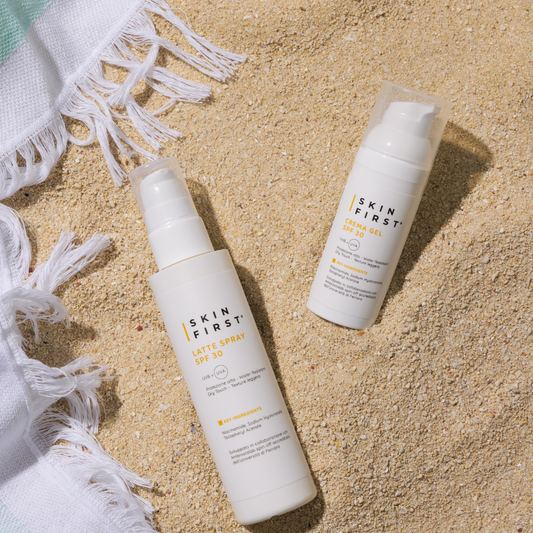
And, as always, REMEMBER TO PUT some good face sunscreen! For sensitive skin, the use of sun protection is essential since, as already mentioned, UV rays can trigger symptoms.
Finally, managing stress through relaxation techniques, regular exercise, and adequate sleep can help mitigate its impact on skin health, thereby reducing sensitivity and improving the skin's overall appearance.
The most common needs of sensitive skin
Creme, masks, serums, and anti-redness cleansers are products tailored for those with hypersensitive skin, characterized by redness, whether temporary or persistent, and in need of soothing active ingredients able to improve the skin barrier.
- Rosacea
- Skin Dryness
- Skin Aging