The five typical presentations of rosacea: subtypes
ERYTHEMATOTELANGIECTATIC (ETR)
This subtype is characterized by persistent redness (erythema) and dilation of the small blood vessels on the skin surface (telangiectasia).
- Typical symptoms: persistent redness, a burning or stinging sensation, possible swelling.
- Affected areas: the face, especially central areas such as the nose and cheeks.
PAPULOPUSTULAR ROSACEA
Often confused with acne, this variant includes the presence of papules (small red bumps) and pustules (bumps with pus) on reddened skin.
- Typical symptoms: eruptions of papules and pustules, redness under the lesions, possible burning or stinging sensation
- Affected areas: mainly cheeks, nose, chin, and forehead.
PHYMATOUS
This subtype involves thickening of the skin and the appearance of an uneven, nodular look, especially on the nose (rhinophyma).
- Typical symptoms: thickened, uneven skin, enlarged pores, rough appearance.
- Affected areas: mainly the nose, but also the chin, forehead, cheeks, and ears.
OCULAR
- Typical symptoms: red, dry, irritated eyes that are sensitive to light, with possible burning or itching sensation.
- It affects the eyes and surrounding areas, leading to symptoms similar to those of chronic blepharitis.
GRANULOMATOUS ROSACEA
A less common form of rosacea that presents yellowish or reddish-brown papular-nodular lesions.
- Typical symptoms: persistent nodular lesions, usually harder than other subtypes, with possible scarring.
- Affected areas: generally the face, with varying locations across the cheeks, nose, and forehead.
Causes of rosacea on the skin
It usually starts between the ages of 30 and 50, but it can appear at any age.
The cause of rosacea is mostly genetic: at its root there is an immune activation that can be triggered by microbes including the Demodex mite and various bacteria, including Bacillus oleronius and Staphylococcus epidermidis.
Rosacea is contagious
Rosacea is not a contagious condition; it cannot be passed from one person to another through direct contact, such as touching the skin, or through indirect contact with personal items such as towels or pillows.
Treatment for rosacea: is there a definitive cure?
Rosacea is a chronic skin condition that has no definitive cure, but there are many treatments that can help control symptoms and improve the skin's appearance. The best thing you can do is contact a specialist right away: it can in fact be managed with medical therapies such as antibiotics or pulsed dye light, laser, and surgery.
Treatment often starts with identifying and avoiding triggers that can cause or worsen the condition, such as alcohol, spicy foods, extreme temperatures, and stress.
Doctors may prescribe topical treatments that help reduce inflammation and skin lesions. For more severe forms, oral antibiotics can be effective in reducing inflammation and pustules. Another treatment approach includes, indeed, the use of laser and intense pulsed light (IPL), which are particularly useful for treating telangiectasia and persistent redness. These techniques work by reducing visible blood vessels under the skin. For ocular rosacea, treatments may include specific eye drops and good eyelid hygiene to relieve eye symptoms. You can prevent it from getting worse by avoiding certain foods, alcohol, hot drinks, sun exposure, extreme temperatures, wind, and harsher cosmetics.
Skincare for rosacea: hyaluronic acid and other ingredients to use
Along with medical treatments, an appropriate skincare routine is essential. It is advisable to use gentle products free of alcohol and fragrances to avoid further irritation. Daily use of broad-spectrum face sunscreen is essential to protect the skin from sun damage, which can worsen the condition. As for active ingredients and ingredients to look for, hydrating substances such as hyaluronic acid, glycerin, sorbitol, urea and, above all, soothing ingredients such as allantoin, panthenol, aloe, and mallow. You may also benefit from ingredients such as azelaic acid, which has antibacterial properties and therefore acts on one of the causes, namely microbial colonization. Follow these steps daily to feel better:
- Gentle cleansing: In the morning and evening, use a sulfate-free, fragrance-free cleanser to remove impurities without irritating the skin.
- Soothing toner: Apply an alcohol-free toner to calm the skin and prepare it for the next treatments.
- Anti-inflammatory serum: Use a serum containing ingredients such as niacinamide or azelaic acid to reduce redness and inflammation.
- Moisturizer: The best face cream for rosacea is a lightweight, non-comedogenic, oil-free moisturizer to keep the skin barrier hydrated without clogging pores. See this page if you are looking for a cream or specific cosmetics for rosacea
- Makeup removal: Make sure to remove makeup completely at night so the skin can breathe and regenerate while you sleep.
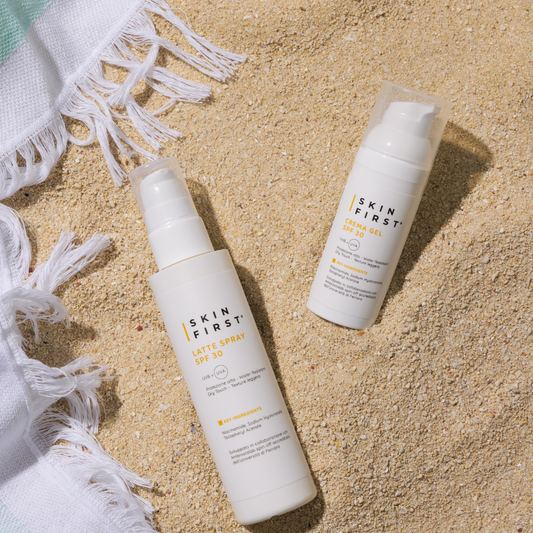
- Sun protection: In the morning, apply a broad-spectrum sunscreen with SPF 30 or higher, preferably with mineral filters to avoid irritation.
Facial cleansing with rosacea: does it make sense?
Getting a facial can be helpful, but it must be done with particular care.
It is crucial to choose methods and products specifically formulated for sensitive skin, avoiding harsh ingredients such as alcohol, fragrances, and mechanical exfoliants that can further irritate the skin. Consulting a dermatologist before starting any cleansing treatment is always recommended to ensure safety and effectiveness.
What not to do with rosacea
- Avoid triggers. Choose products that are not harsh on your skin but are restorative.
- Avoid products with alcohol and allergens, hydrate, soothe