Black dots : Causes, care, best creams and skincare
Blackheads or sebaceous filaments?
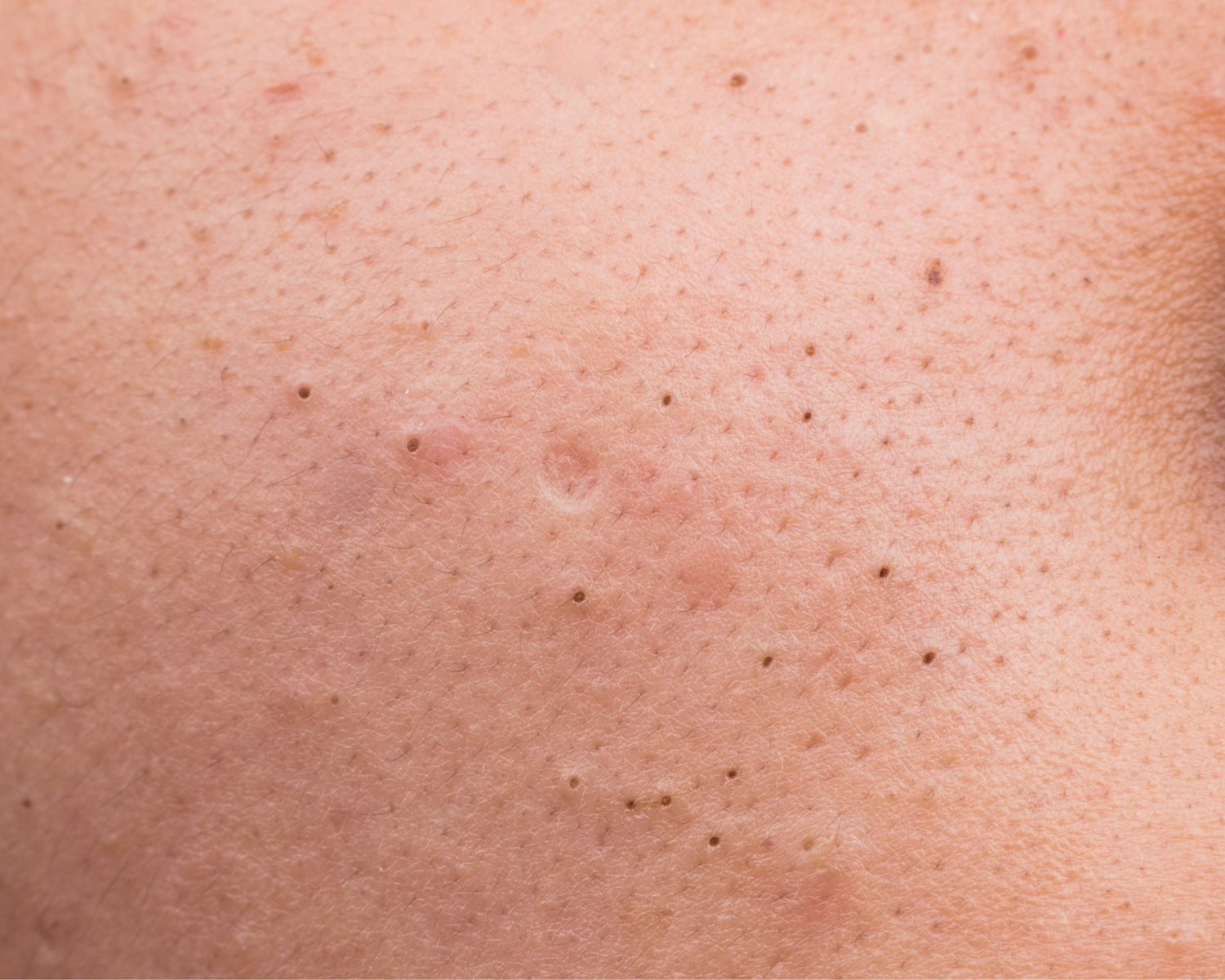
But are you sure that what you have are blackheads? It only takes a second to mistake them for sebaceous filaments, which are usually smaller and clustered on the nose, forehead, and chin and are grey in colour, so less dark than blackheads.
These are very common and are normal functions of the skin with the job of channeling sebum flow along the pores: don’t squeeze them, because they’ll show up again in a month.
Blackheads or acne/pimples?
Acne and pimples are often mistaken for blackheads, but there is a key difference in their nature and appearance.
Acne is a skin condition that can appear as pimples, whiteheads, cysts, and yes, even blackheads. It is caused by inflammation of the pilosebaceous units, often linked to hormonal and bacterial factors, and by sebum production. Pimples, in particular, are forms of acne that emerge when pores become inflamed or infected, often turning red, painful, and sometimes filled with pus.
Blackheads, on the other hand, are open comedones formed by the oxidation of sebum and dead skin cells that clog the pore. Their characteristic dark colour is not caused by dirt but by exposure to air. While pimples are signs of inflammation or infection, blackheads are mainly linked to blocked pores. Understanding these differences is essential for choosing the most appropriate approach to caring for and treating your skin.
Causes of blackheads: what causes them?
The causes of blackheads are many and vary depending on each person’s specific situation. Keep in mind that, although the exact cause of blackheads often remains unknown, the important thing to remember is that their formation is neither the result of poor skin care nor a sign of dirt.
Excess sebum production
It is one of the main factors in the development of blackheads. Sebum is a type of natural oil produced by the skin to help keep it hydrated. When too much is produced, it can block pores and cause blemishes to form.
Build-up of dead cells
The build-up of dead skin cells inside the pores can contribute to blackhead formation. In fact, these cells can mix with sebum, producing a mixture that, once hardened, becomes a "plug" in the pores, turning into a comedone.
Other contributing factors
Other factors that can contribute to the appearance of blackheads include using cosmetics or cleansers that are too harsh, hormonal factors and stress, as well as the use of certain medications (corticosteroids or androgens).
How to get rid of blackheads: remedies and the ideal skincare routine
To remove blackheads, whether on the nose, cheeks, or other areas of the face, it is essential to follow a proper skincare routine that aims to keep pores clean and remove excess sebum.
First and foremost, it is essential to cleanse the face daily with a gentle cleanser, choosing non-comedogenic products that do not further clog pores.
The most effective cosmetic ingredients for treating blackheads are: salicylic acid, retinoids, azelaic acid (or its more stable salt form, azeloglycine), pyruvic acid, alpha hydroxy acids (AHAs) and niacinamide
These ingredients help remove dead skin cells, promoting healthy cell turnover and preventing the build-up that can lead to blackheads.
In addition, periodic use of clay-based masks or charcoal (at least twice a week) can help absorb excess sebum and purify pores.
Remember to finish the routine with a lightweight moisturiser to maintain skin hydration.
Finally, adopting healthy habits such as a balanced diet, drinking plenty of water, and reducing stress can significantly improve the appearance of the skin, helping to limit the appearance of blackheads.
Does squeezing blackheads make sense?
Squeezing blackheads may seem like a quick and satisfying solution, but in reality, it makes no sense from a dermatological point of view.
This practice can lead to the risk of infection, scarring, or worsening of inflammation due to the spread of bacteria under the skin.
In addition, squeezing can cause damage to the surrounding tissue, speeding up the formation of new blackheads or increasing the risk of developing other types of skin blemishes, such as pimples or acne. Skincare experts recommend avoiding DIY treatments and instead relying on professional techniques and products specifically formulated to gently and safely remove blackheads. In this way, it is possible to keep skin healthy, prevent long-term damage, and achieve more effective and aesthetically pleasing results.
Does squeezing blackheads make sense?
Absolutely yes! If you can, once a month pop in to the beautician for a good facial, preferably one with equipment. "DIY" extractions can turn a small blackhead problem into a more serious one!
-
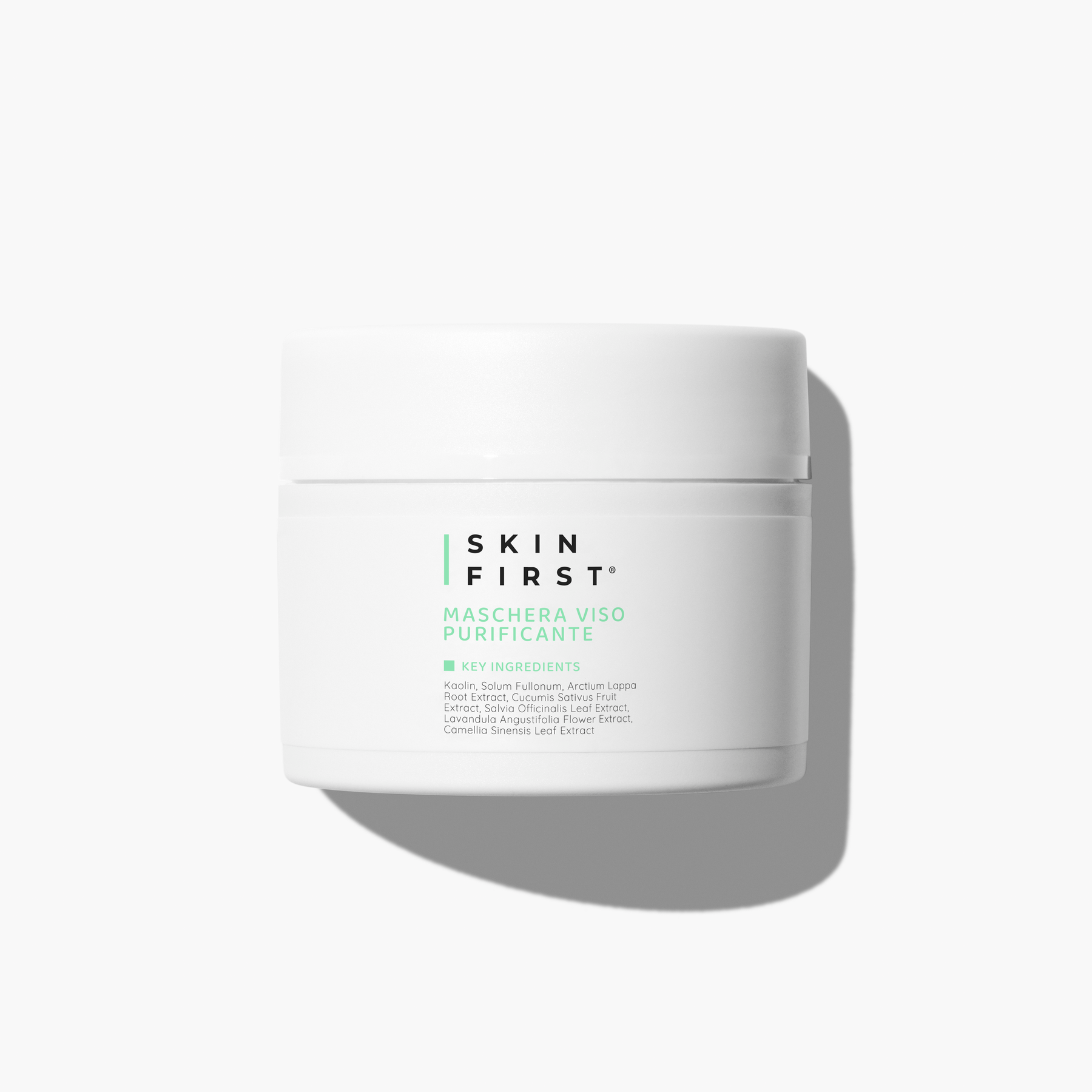
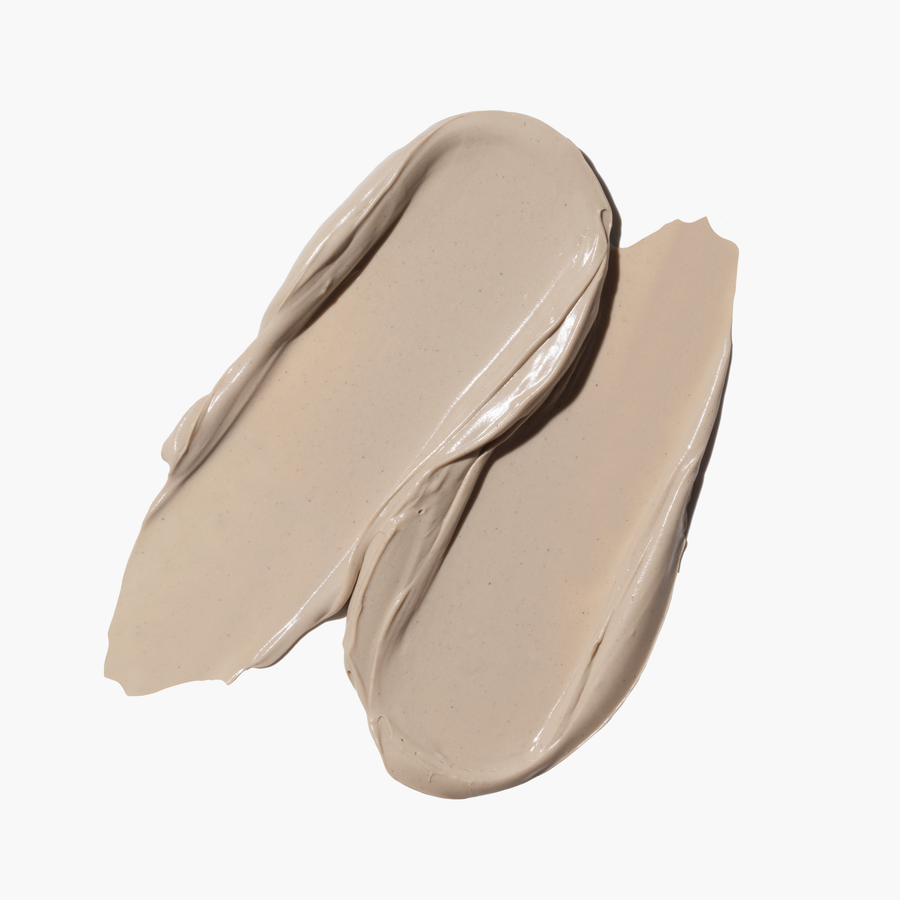
DescriptionFace mask formulated to absorb excess sebum, prevent and combat blackheads and pimples,...
Products properties Function Dettaglio Function Cleanser, Sebum Regulator Ingredients White and Green Clay, Burdock Extracts, Cucumber (+) Use 1 or 2 times a week -
DescriptionGentle cleansing foam with targeted purifying and sebum-regulating action for oily, com...
Products properties Function Dettaglio Function Cleanser, Sebum Regulator, Mattifier Ingredients Salicylic Acid, Polylysine, Alteromonas Ferment Extract (+) Use Every day -
DescriptionOil-to-milk cleansing oil that melts away makeup and SPF, with a smooth, pleasant massa...
Products properties Function Dettaglio Function Makeup remover, Emollient Ingredients Almond Oil, Olive Oil, Calendula Extract (+) Use Every day New -
DescriptionExfoliating facial toner, formulated with 2% salicylic acid at pH=4. Brightens and smoo...
Products properties Function Dettaglio Function Polishing agent, Schiarente, Cleanser Ingredients Salicylic Acid Use Also every day (based on skin type and needs) Best Seller