Skincare Products : Cleanser
Types of detergent
Cleansers come in two types:
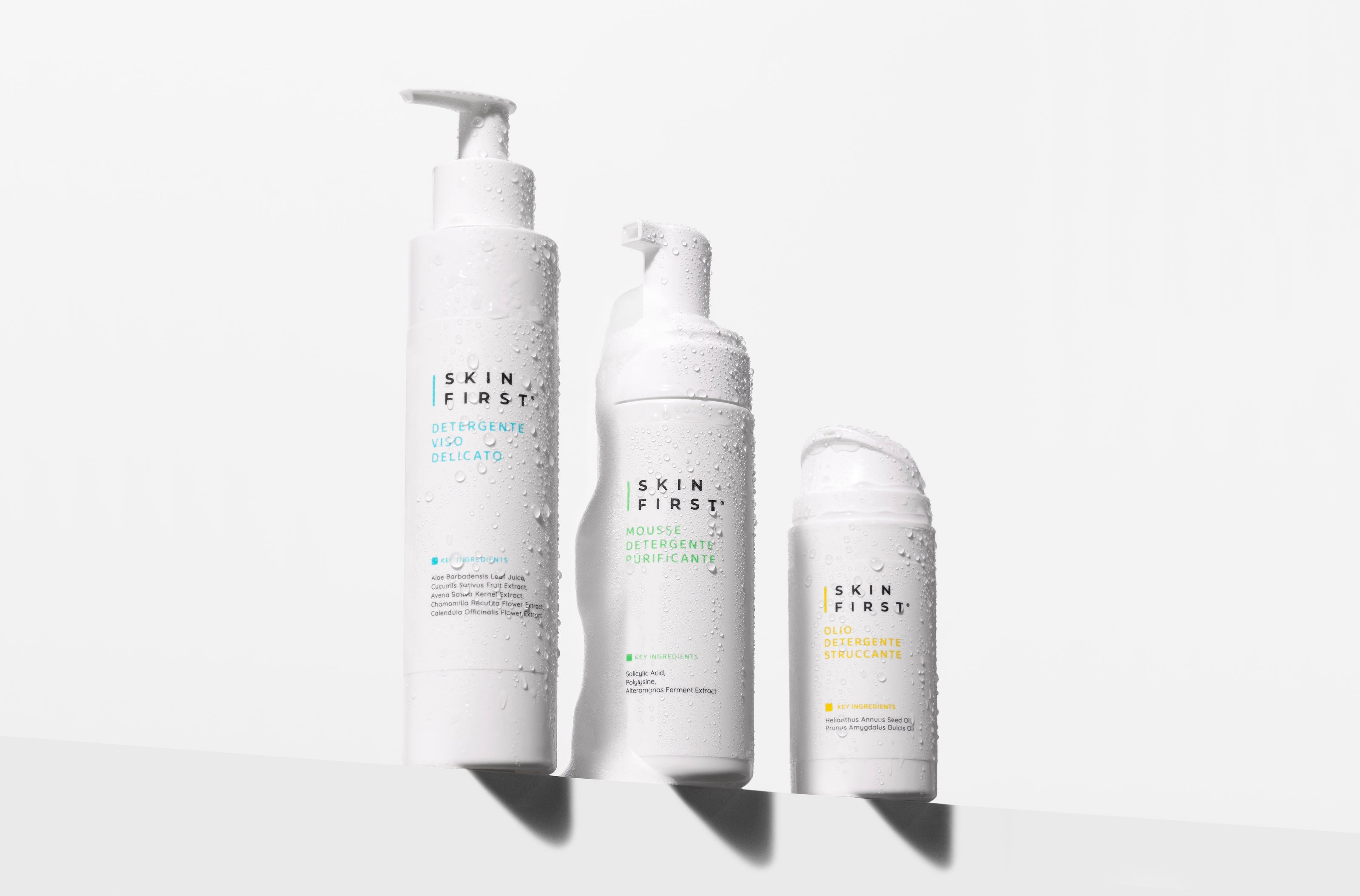
- Foaming or contrast cleanser: This is the most common type, where the substance responsible for the cleansing action is the surfactant. Examples include solid soaps, liquid cleansers, mousse, micellar water, cleansing wipes, and scrub cleansers. It is very suitable for oily, combination, normal skin, and double cleansing.
- Oil-based or affinity cleanser: Here, the cleansing agent is a lipid, i.e., an oil or a blend of oils that acts as a solvent for the fats that trap dirt. Examples include balms, butters, oils, and cleansing milk. It is very suitable for dry and sensitive skin.
Mistakes to avoid
Here are 5 mistakes unfortunately very common when it comes to cleansing:
- Using hand soap: it has a basic pH of 8, in contrast with our Skin which has a much lower pH, making it harsh.
- Using makeup remover wipes: they are soaked with very little product, sometimes contain alcohol, and cause irritation from mechanical rubbing.
- Not removing your makeup if you’re wearing makeup: over time, your Skin could suffer and develop impurities.
- Not using a moisturizer after cleansing: it is essential to always provide your Skin with the right amount of hydration
- Using the wrong cleanser for your Skin: if, after cleansing, you feel your Skin is too tight, you may be using a too harsh cleanser.
Useful tip
Make sure to read the label carefully. Some cleansers are enriched with active substances like salicylic acid for acne-prone skin, or hyaluronic acid or panthenol for dehydrated skin. Before purchasing it, confirm that substance is right for you.