Skincare Products : Exfoliant
Type of exfoliant
Let's start with the basics: an exfoliating product can be of two types:
- Mechanical (physical) exfoliant: acts by abrasion and is generally based on granules, with various types of particles, such as apricot powder, brown sugar, oat flour: the so-called scrubs.
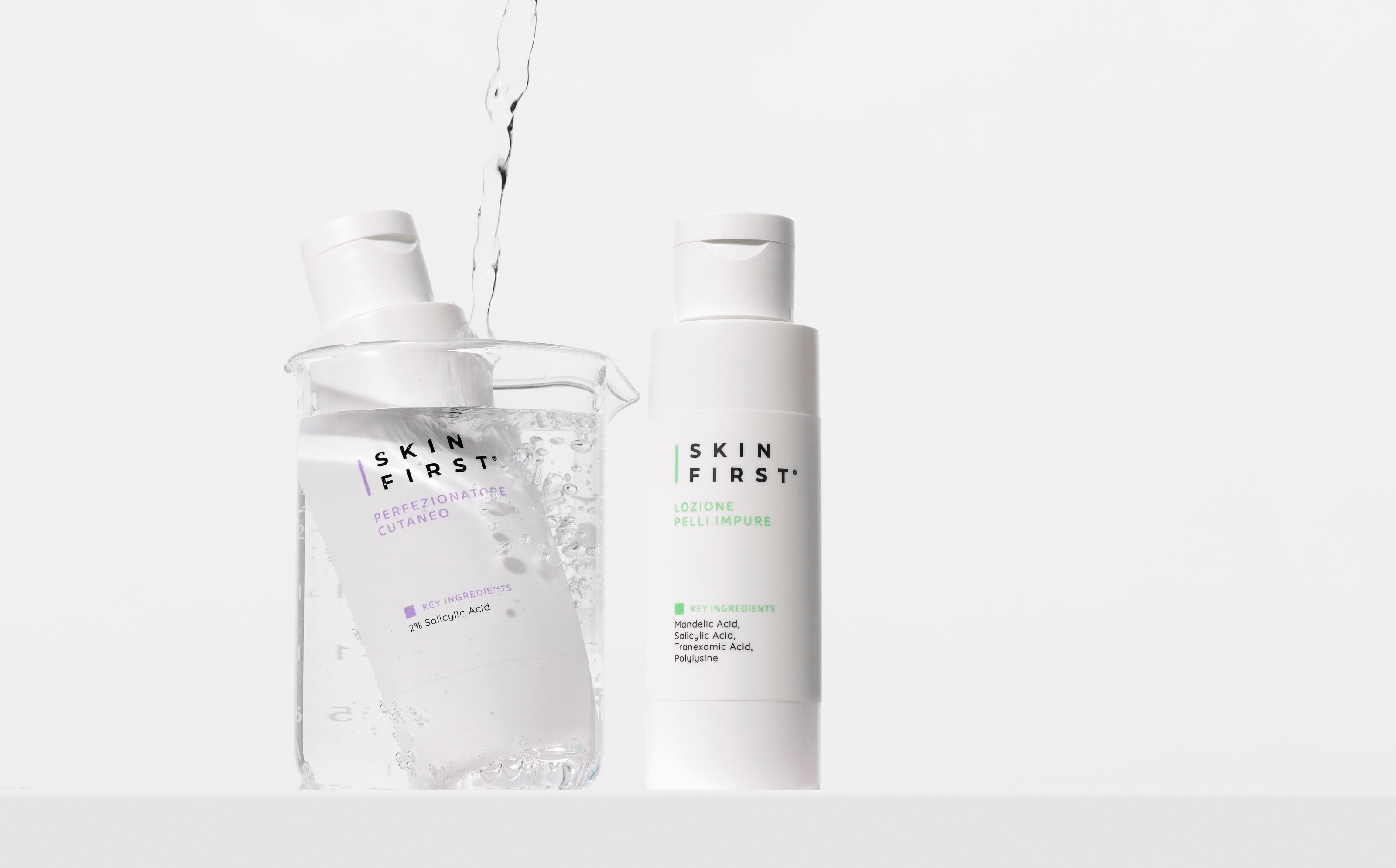
- Chemical exfoliant: this is a keratolytic acid that dissolves the bonds that form between cells, promoting the shedding of dead cells which make room for younger ones. Among the keratolytic acids we find:
- AHA (alpha-hydroxy acids): they are very useful for dry, sensitive, and mature Skin, they improve the appearance of wrinkles and fine lines besides working on Hyperpigmentation. Among these we have glycolic acid, mandelic acid, lactic acid, malic acid, and tartaric acid. Low-concentration AHAs have a more hydrating effect, while high-concentration ones have a more exfoliating effect.
- BHA (beta-hydroxy acids): these refer to salicylic acid, which has anti-inflammatory properties, ideal for oily and acne-prone Skin. It acts deeply and dissolves sebum, unclogging pores.
- PHA (poly-hydroxy acids): they have a larger molecular structure, which is why they are acids that work more slowly, making them excellent for sensitive Skin and Skin with eczema or rosacea that are prone to irritation. Examples of PHAs are gluconolactone and lactobionic acid.
Useful tips
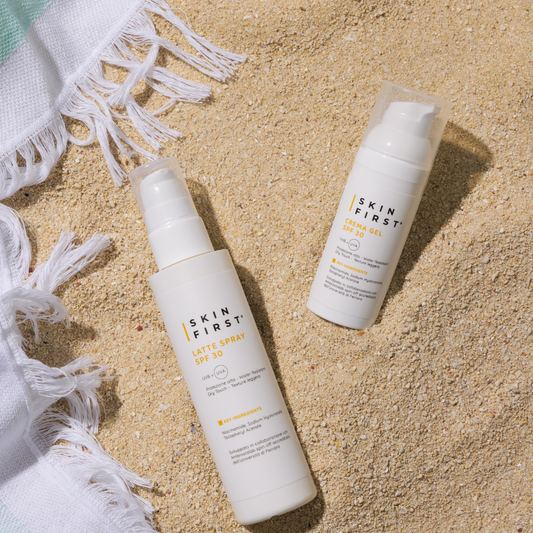
It is always advisable to use SPF in the morning after using an exfoliant, as it can make the Skin more sensitive to the sun. Also be careful not to use acids when you know you will be exposed for long periods to sunlight: we recommend using them mainly in the evening and reducing frequency in the summer period.
Remember that it’s easy, especially with salicylic acid, to experience the phenomenon known as skin purging, which is an initial worsening of the Skin due to a higher presence of blemish-like impurities, which gradually decrease over time. Stay consistent and be patient!
How to apply it
Before using a face mask, cleanse your face and remove all traces of makeup. Apply the mask, following the instructions on the package, and leave it on for the recommended time. Remove or rinse the mask with warm water and pat your Skin dry with a clean towel. Follow with a toner and a moisturizer to lock in the treatment's benefits.
Most face masks can be used one or two times per week: make it your weekly treat for you and your Skin.